Archives: Articles
-

A Brief and Personal History of EDA Part 7: EDA’s 60-Layer Cake
The first six articles in this series described the history of the EDA industry from its earliest beginnings to becoming the multi-billion-dollar heart of the…
-

SPOT Platform Gives Ambiq’s Apollo510 MCU an Unfair Low Power Advantage
I hail from the days of 5V transistor-transistor level (TTL) logic, like the SN7400-series of integrated circuits (ICs) from Texas Instruments (TI) that leapt onto…
-

A Brief and Personal History of EDA, Part 6: The IP Era
The Mead-Conway methodology for designing VLSI ICs triggered the development of three dominant CAE companies – Daisy, Mentor Graphics, and Valid – which in turn…
-

Something M-azing This Way Comes
I’m a simple man. It’s very kind of you to say that you agree with everything I just said, but I hadn’t fully finished my…
-

A Brief and Personal History of EDA, Part 5: The Acquisition Era
EDA’s acquisition era arrived close on the heels of the EDA era. SDA merged with ECAD to form Cadence in 1987, and the new company’s…
-
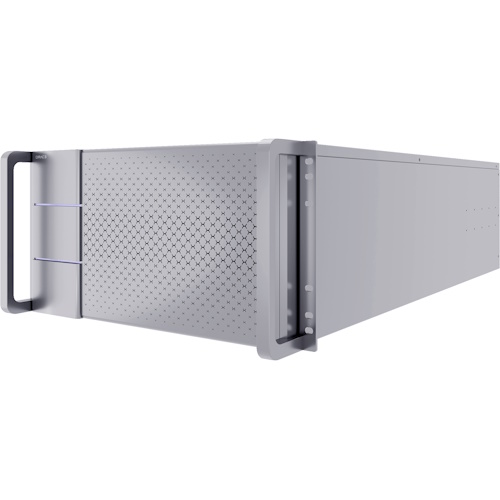
Affordable Rack-Mount Quantum Computers Are Here!
As I may have mentioned on occasion, when it comes to quantum computing, one of my favorite quotes comes from the Night Watch tome of…
-
A Brief and Personal History of EDA, Part 4: Cadence, Synopsys, and Mentor Graphics – The EDA Era
Rising complexity drove the creation of ever-more-powerful tools for electronic design. When circuit board and IC layouts escaped the bounds of pencil, paper, and manual…
-

Understanding and Optimizing SoC Hardware Performance
Are you involved in developing SoCs? Are you banging your head against the wall, desperately trying to determine why you aren’t obtaining the performance promised…
-
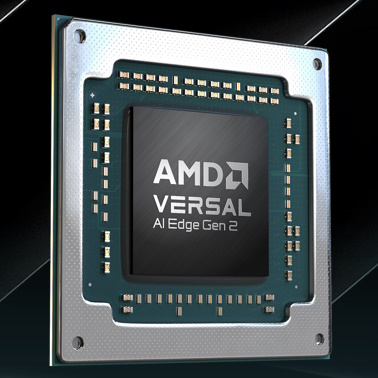
AMD Rocks with New Versal Gen 2 AI Edge SoC FPGAs
The awesome new AMD devices to which I’ve just been introduced have sparked a trip down memory lane (I know you’re surprised, because I pride…
-
A Brief and Personal History of EDA, Part 3: Daisy, Valid, and Mentor Graphics – The CAE Era
By the end of the 1970s, the leading CAD companies, including Calma, Applicon, and Computervision had started to lose interest in the electronics market and…